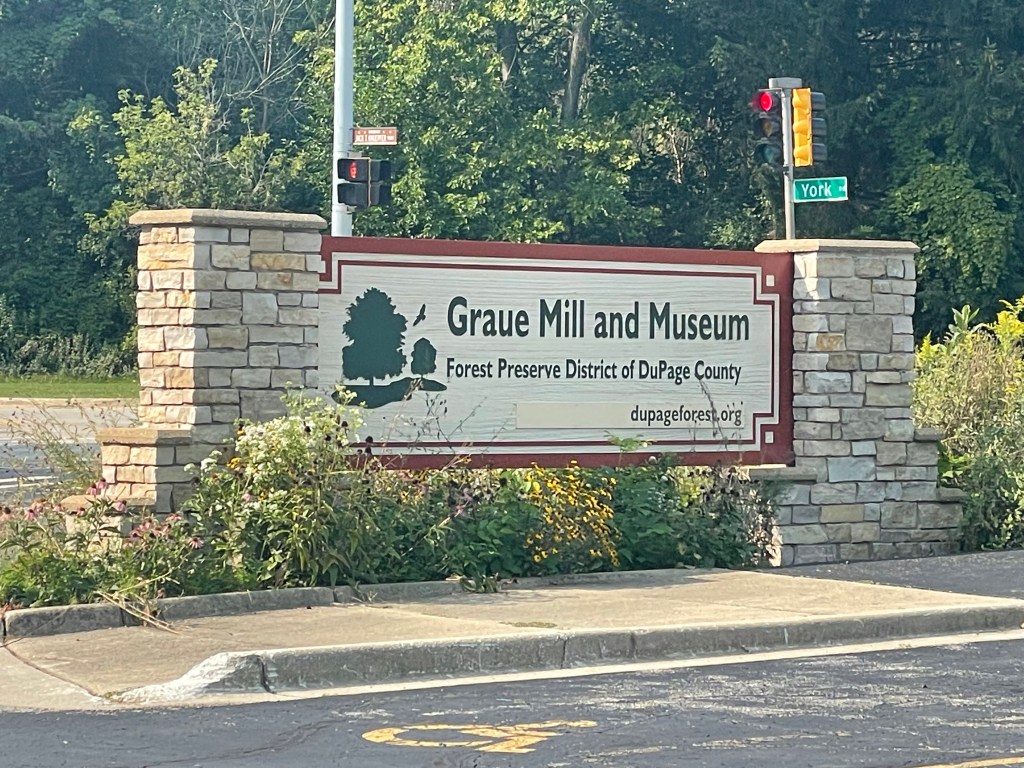
Day 3 of my Brown Sign Tour and it takes me to another place I drive past on a very regular basis but have never visited – Graue Mill and Museum. https://www.grauemill.org. Here’s the history of Graue Mill (pronounced Grow-e) which is now the only operating waterwheel gristmill in the Chicago area.
Frederick Graue was born in Germany, came to the United States and settled in Fullersburg, Illinois, in 1842. In 1849, he purchased the site of a sawmill that had burned down, along with his partner William Asche, and constructed a gristmill there. Asche later sold his share to Graue. Limestone for the basement walls was quarried near Lemont; bricks for the rest of the walls were made from clay from the Graue farm and fired in kilns near the mill site; flooring, beams, and posts were from white oak timbers cut along the I & M canal. The four one-ton buhrstones used for grinding were imported from France. After the gristmill opened in April 1852, it ground wheat, corn and other grains produced by local farmers.
The mill was a major center of economic life during the 19th century and was also used by Fred Graue to hide runaway slaves on their journey to freedom in Canada. President Abraham Lincoln reportedly visited Graue Mill during a trip from Chicago to Springfield. Frederick Graue and his third son, F.W. (“William”) Graue, operated the mill for 70 years until modern milling methods rendered the old mill obsolete and the building was abandoned. The building was eventually added to the properties of the DuPage County Forest Preserve District. In 1934, it was decided to restore the mill to the period of 1852-1868, the time the waterwheel was in operation. The restoration was completed in 1943 but was not maintained. In 1950, the mill property was leased to the DuPage Graue Mill Corporation, an organization formed by local residents, who repaired the waterwheel and gear system and opened the museum.
Graue Mill was listed in the National Register of Historic Places in May 1975. And in 1981 was recognized as an Illinois Historic Mechanical Engineering Landmark by the American Society of Mechanical Engineers — the only gristmill so designated on a national or local level, representative of an important technology and era in the history of America.
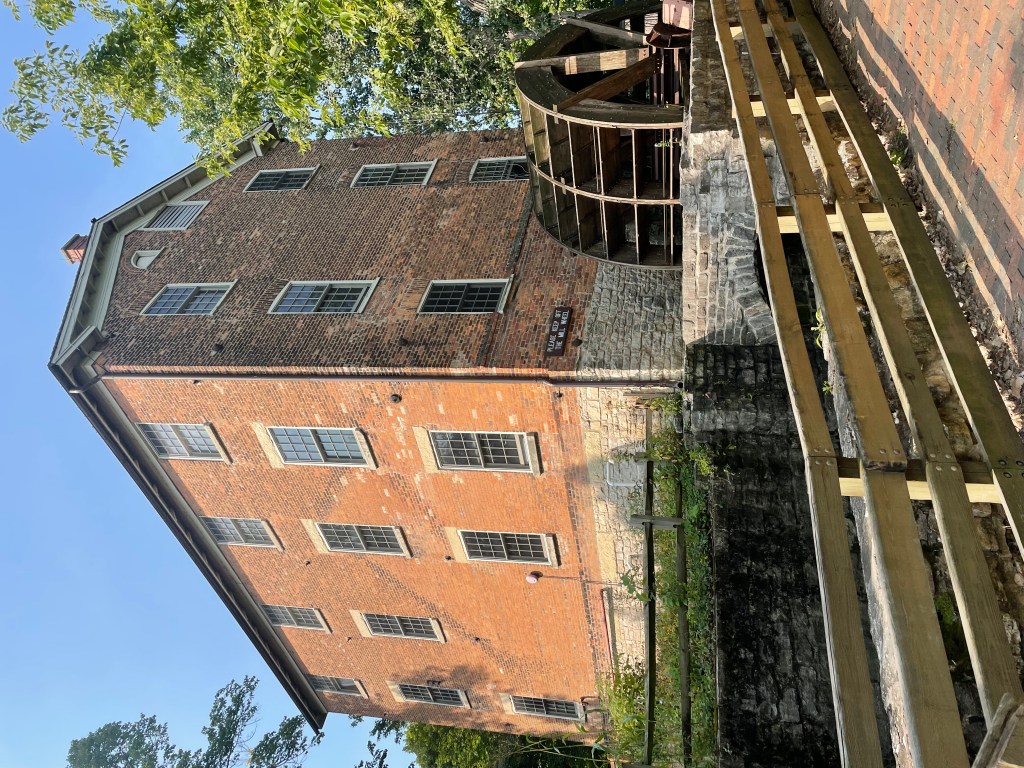
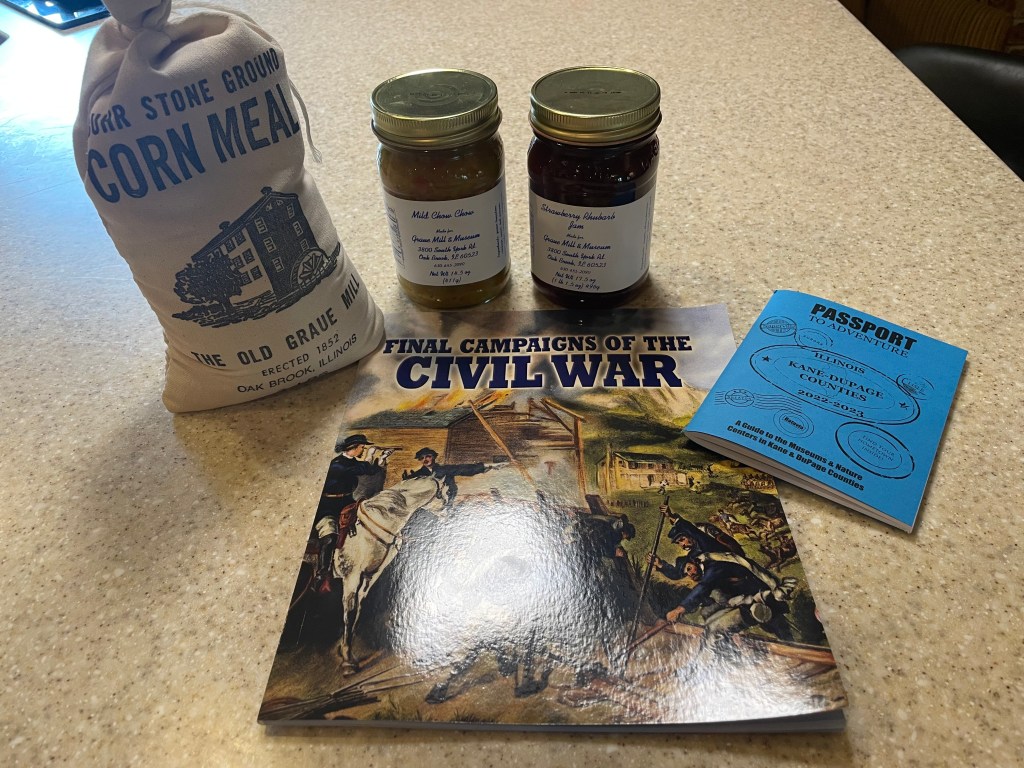
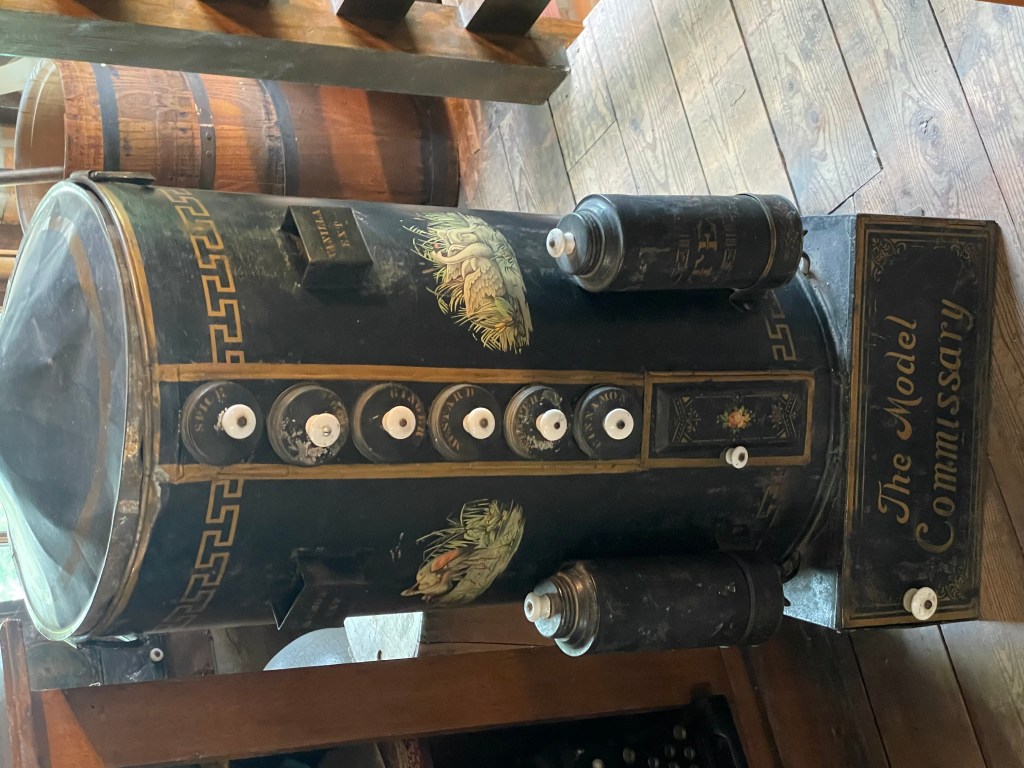
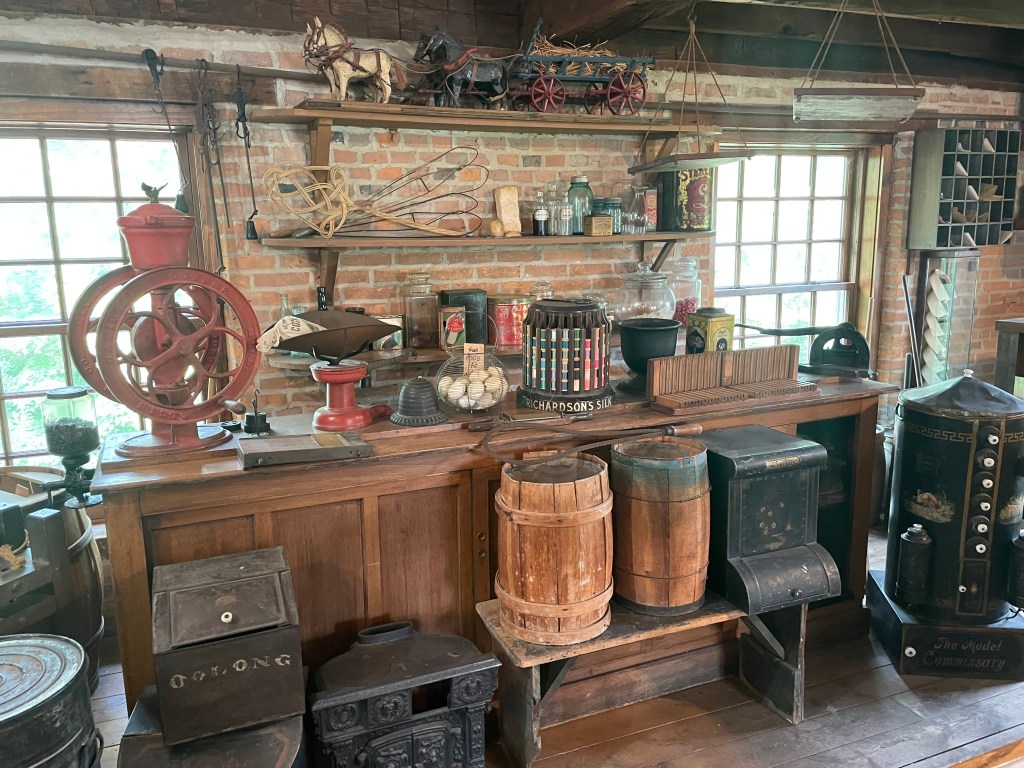
The Mill was in great condition – so the folk responsible for its restoration had done a really good job. The mill is 4 stories tall, with the big wheels and mechanical stuff in the basement floor, then the grinding stones (and shop!) on the 1st floor, a recreation of farm/stable life on the second floor and finally the living quarters on the top floor. It’s not a huge place so it didn’t take all that long to look around – but it was all very nicely done, so its definitely worth a visit. There was a chap on the granary floor who gave a nice presentation about the Graues and how they moved here to start up their business. Unfortunately the wheel is only able to turn (and thus grind the corn) after a big rainstorm as the sluice gates get blocked up very easily outside, so they need a ton of fresh rain water to ensure the water is clean enough to be able to run through the waterwheel. So that was a bit disappointing – but never mind. The chap gamely ground up some corn in a pestle and mortar anyway, so I bought a bag of cornmeal to show support for his efforts!
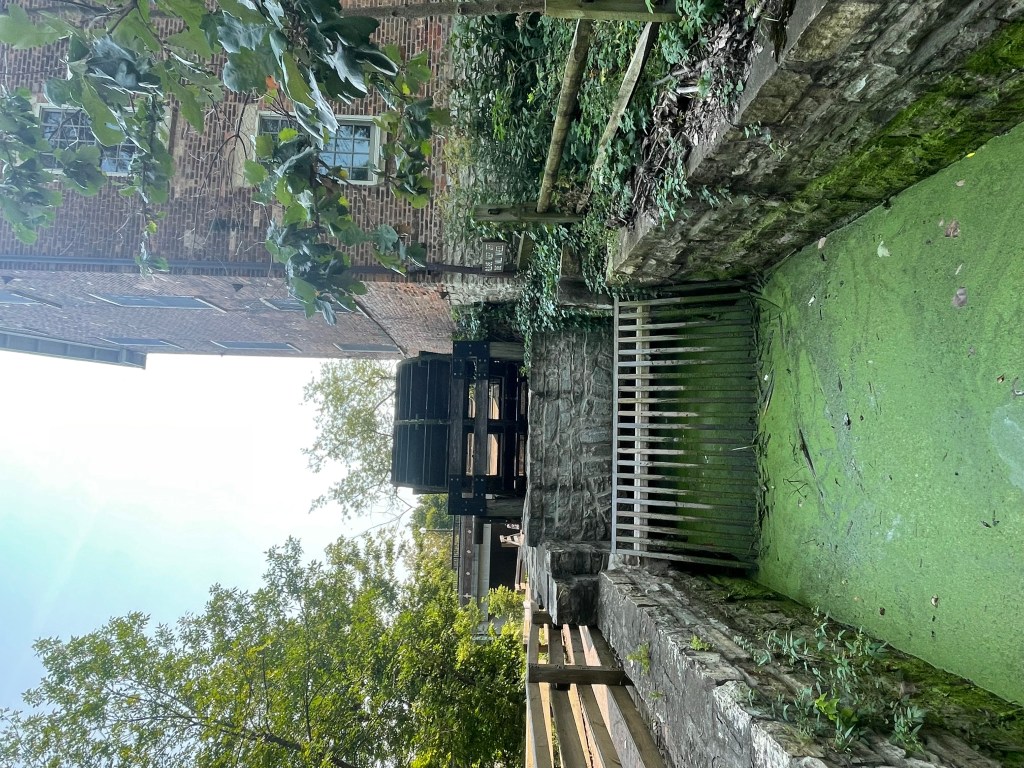
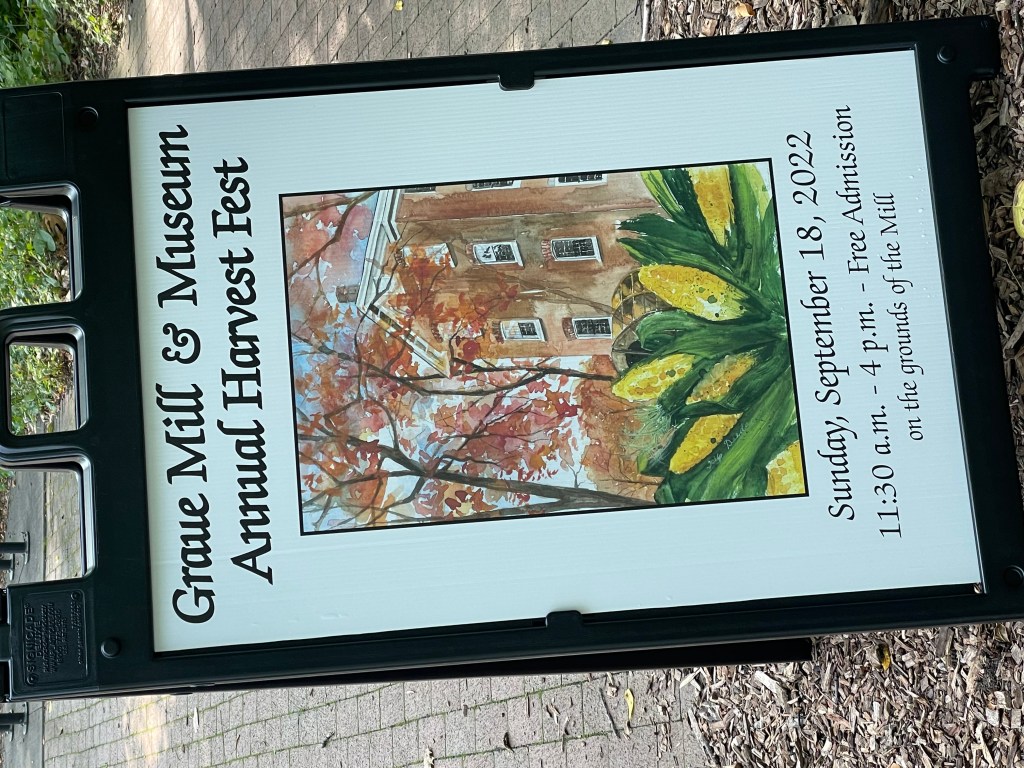


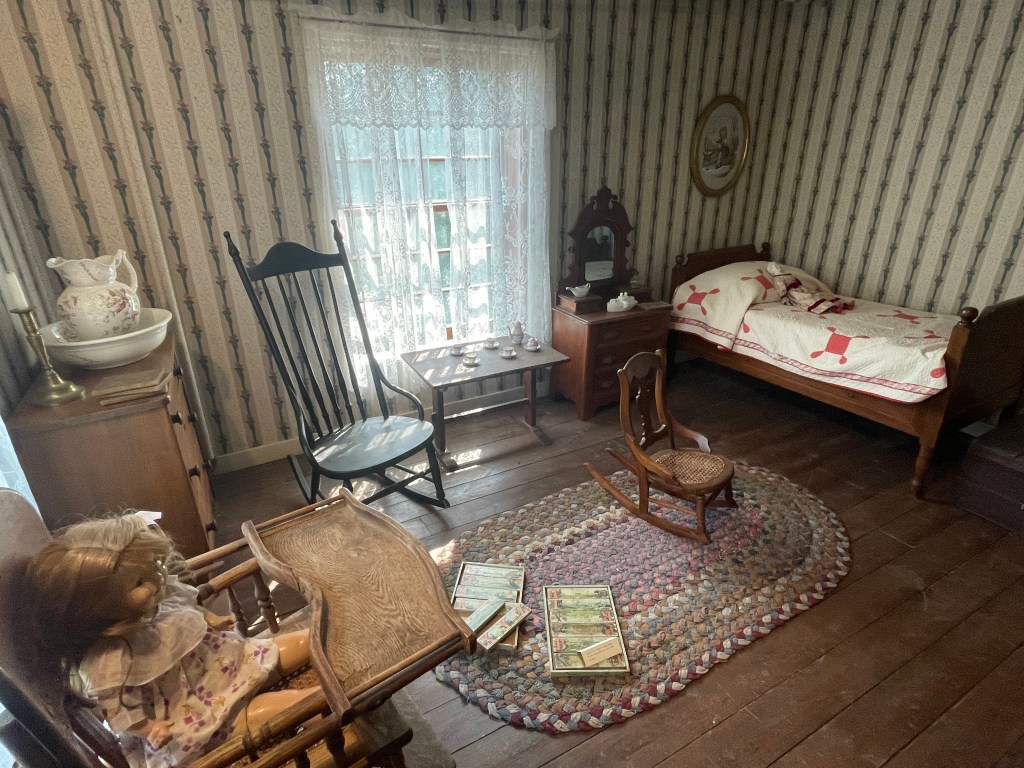
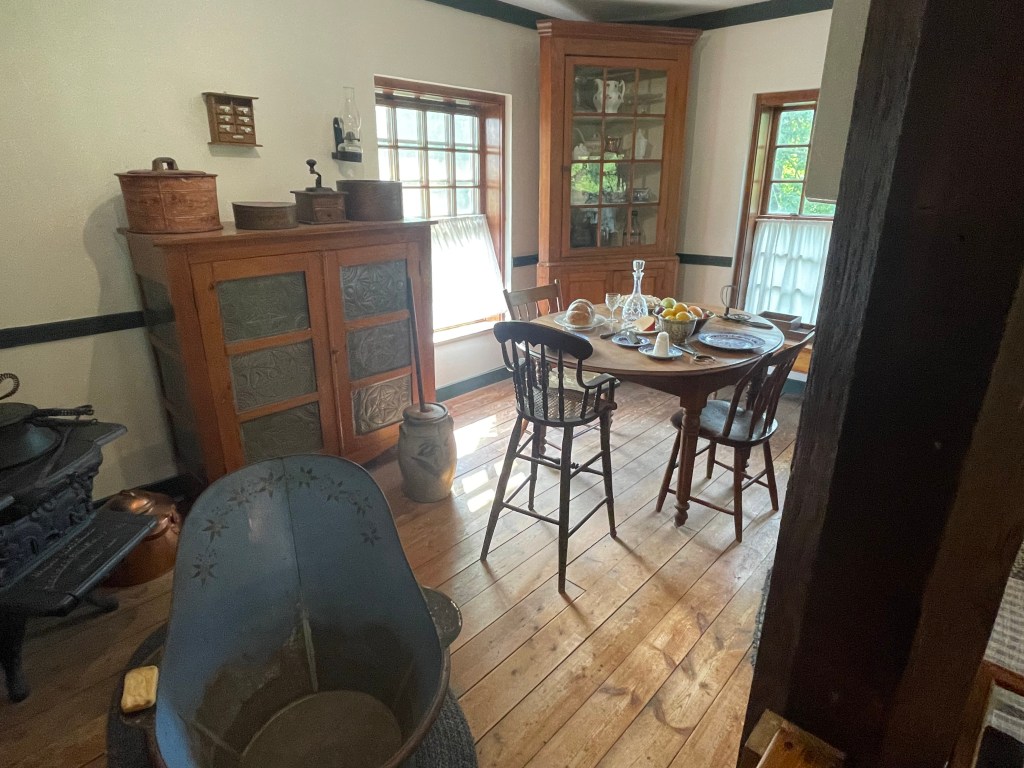


What was more unexpected was to learn that the Mill was widely thought to be a stop on the Underground Railroad. I’d vaguely heard of the Underground Railroad before (not sure exactly where) but wasn’t really clear on the details, so I spent quite a bit of time in the exhibit on the lower floor educating myself about this and, of course, about the history of slavery in the US. Here’s a brief description on the Railroad from their website:
As early as the 16th century, western European nations constructed a slavery system in the Western Hemisphere. There was slavery in all thirteen original American colonies. After the Revolutionary war the northern states found slavery to be unprofitable and abolished it; the largely agricultural southern states found slavery to be profitable and continued it. Although both black and white people were temporarily bound as indentured servants in the early colonial period when demand increased for a perpetual labor force, laws were passed which established chattel (that is, lifelong) slavery. People of African origin were taken from their homelands to supply this labor. Enslaved Africans took considerable risks to gain freedom by escaping from their masters. Their escapes were carried out in secrecy (therefore, “underground”) and were most numerous about the time that newly built steam railroads had captured the public imagination.
The “Underground Railroad” became a major impetus leading to the eradication of slavery. Runaway slaves (“passengers”) usually traveled to their destinations by night either alone or in small groups. Whenever possible black and white abolitionists provided food and shelter at stopping places known as “stations” or served as “conductors” providing transportation between stations. The Underground Railroad remained active until the end of the Civil war as black bondsmen continued to use the system to flee the horrors of slavery. DuPage County played a significant role in this pivotal chapter in American history.
In the 1800’s, Wheaton, Glen Ellyn, Glendale Heights, Wayne Center, Warrenville, West Chicago, Lombard, Naperville, Downers Grove, Hinsdale, Lyons and Oak Brook had “stations” on the Underground Railroad. DuPage County was situated in such a way that “passengers” coming from the south, southwest, and western parts of the state passed through the area. Wheaton College, the Filer House (Glen Ellyn), the Peck House (Lombard), and the Blodgett Home (Downers Grove) are examples of the few remaining structures in DuPage County which provided havens for slaves seeking their freedom.
Graue Mill and Museum in Oak Brook is one of the remaining “stations”. Frederick Graue, a miller by occupation, housed slaves in the basement of his gristmill. Graue Mill’s location on Salt Creek, a tributary of the Des Plaines River, made it an ideal location for harboring slaves. Today, the exhibit “Graue Mill and the Road to Freedom” uses photographs, documents, a computer interactive system and additional displays to illustrate the issue of slavery, the Underground Railroad and the importance of Graue Mill and DuPage County in assisting fugitive slaves to escape to freedom.


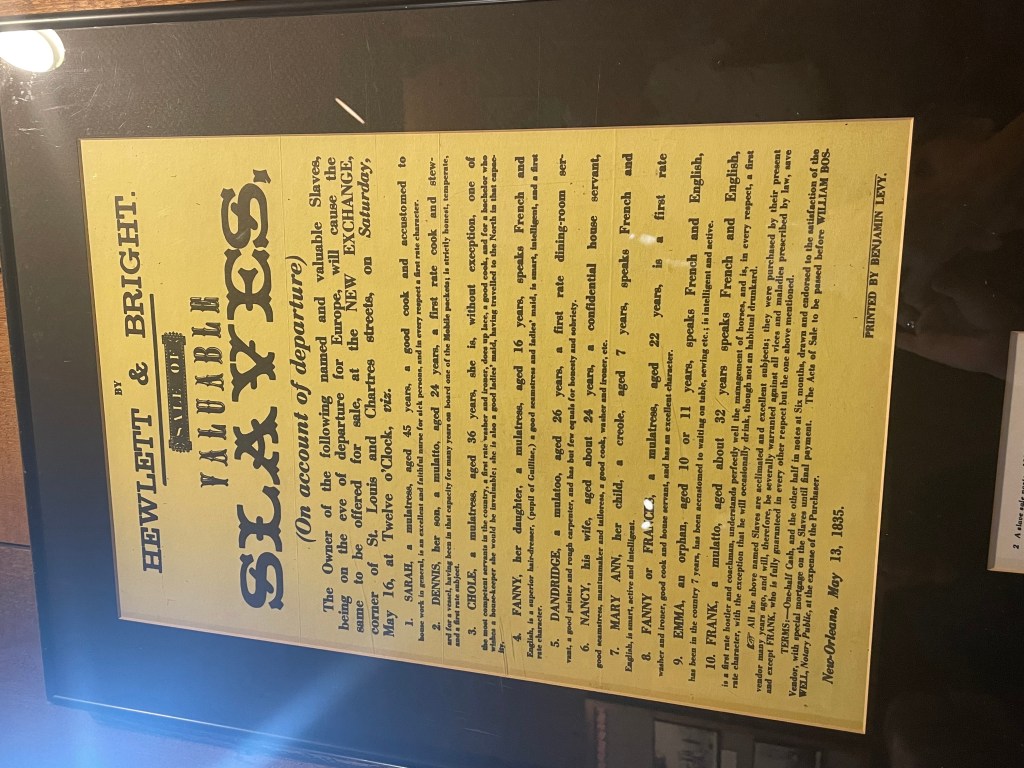
So that was unexpected and fascinating. Along with a bag of cornmeal (as well as a couple jars of preserves), I felt inspired to buy a book about the US Civil War, so that I could continue learning about some of the key dates, battles and historical markers that still reverberate throughout American Society today. I’ve been here 20yrs and still don’t really know much about American History, so I guess now is as good a time to learn as any! (though – to be fair – I’m not up on all my British history either – but we do have a bit more of it to learn 🙂
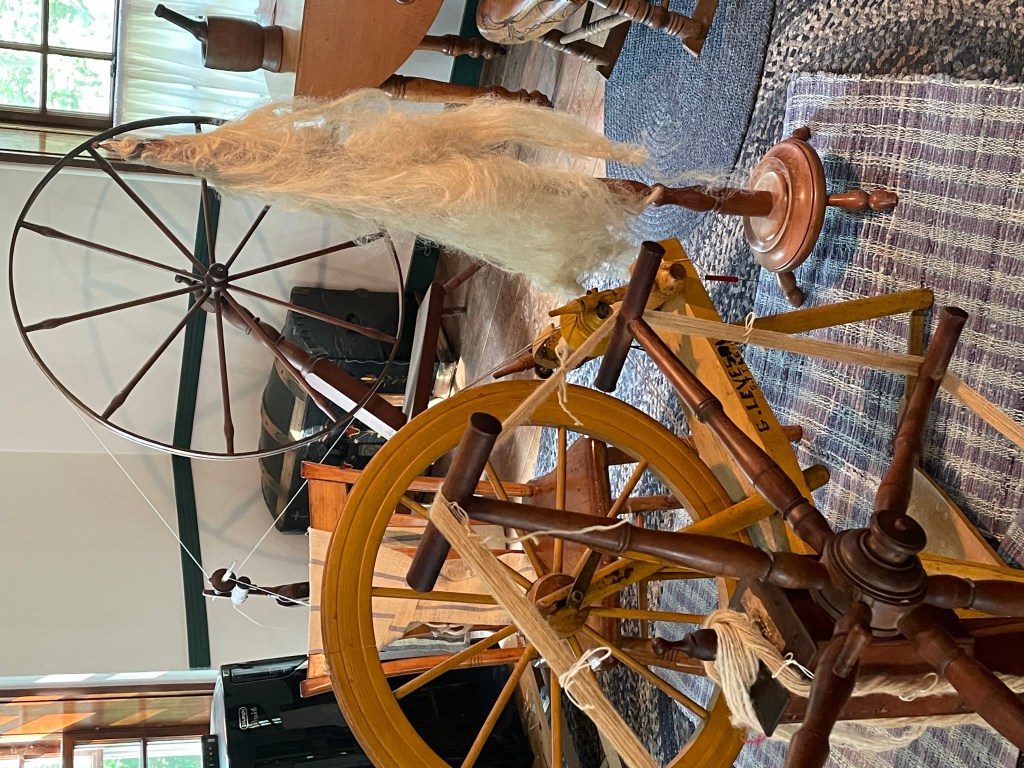
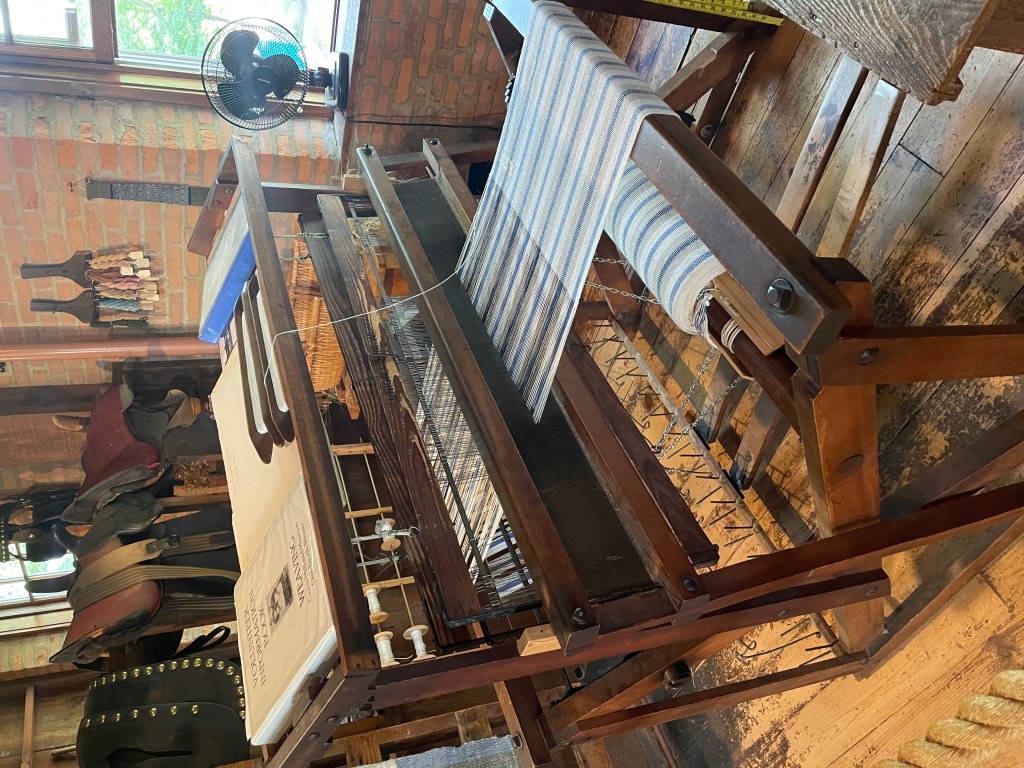
Now – unlike the zoo and the prison, the Mill made it very easy to learn all about volunteering opportunities – with little pamphlets handily stacked right next to the entrance. If I did want to volunteer at the Mill, I could sign up and then be trained in the art of spinning and weaving – which I presume I would then demonstrate for visitors up on the top floor. There was a little binder called “Information for Volunteers” left next to one of the spinning wheels – not sure if it was supposed to have been left out or not, so I took a very quick peek and could see it was packed full of information about the Mill, its history and basically everything else you could ever want to know (including – of course – how to properly pronounce Graue!). So that is definitely an option that I’ll think about – it might be fun to learn an Olde World Skill and then pretend to be an 18th century weaver! Commitment is to volunteer a couple times a month during Mill season – so totally do-able (and very convenient, given its a 10min drive from home).
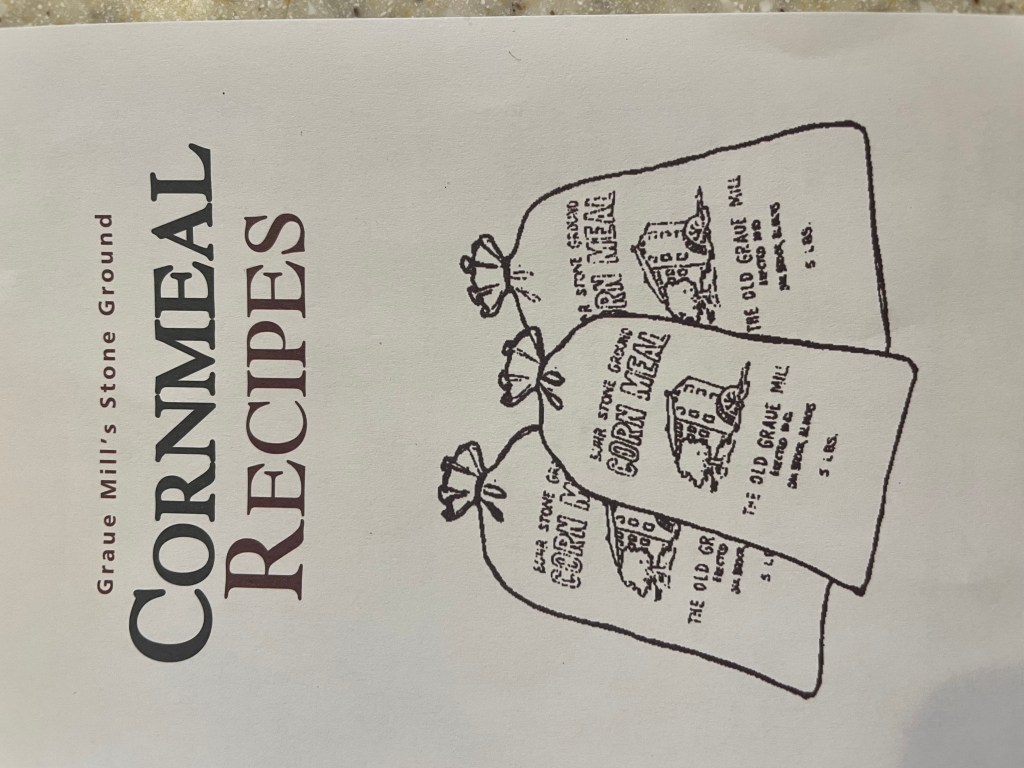
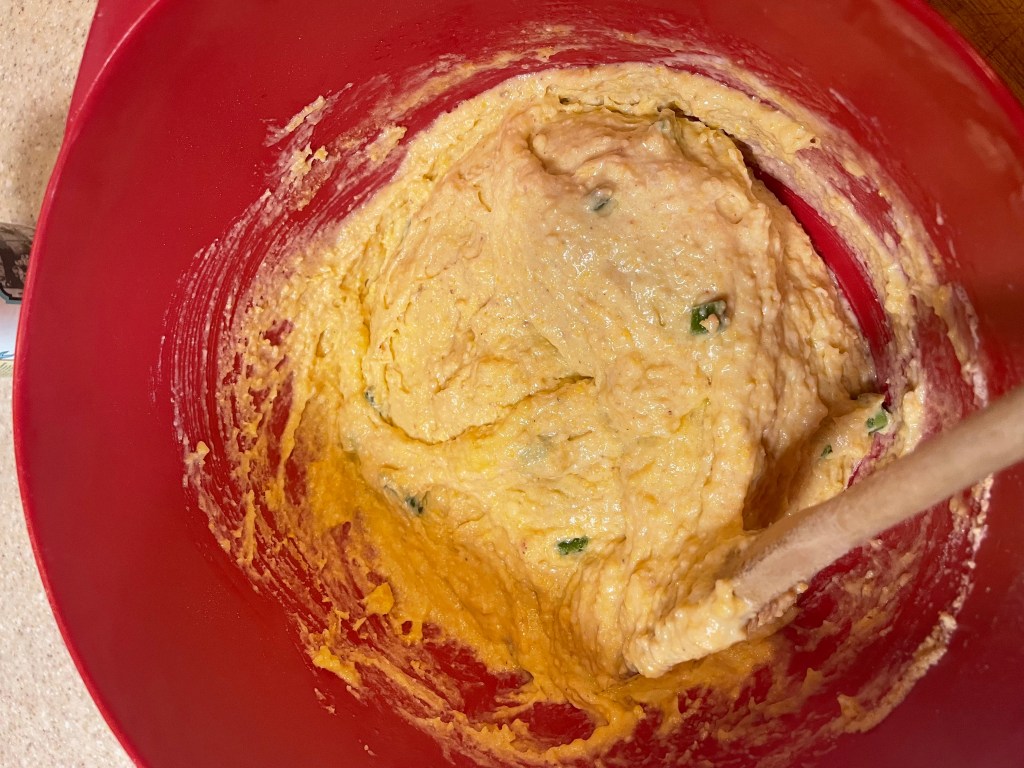
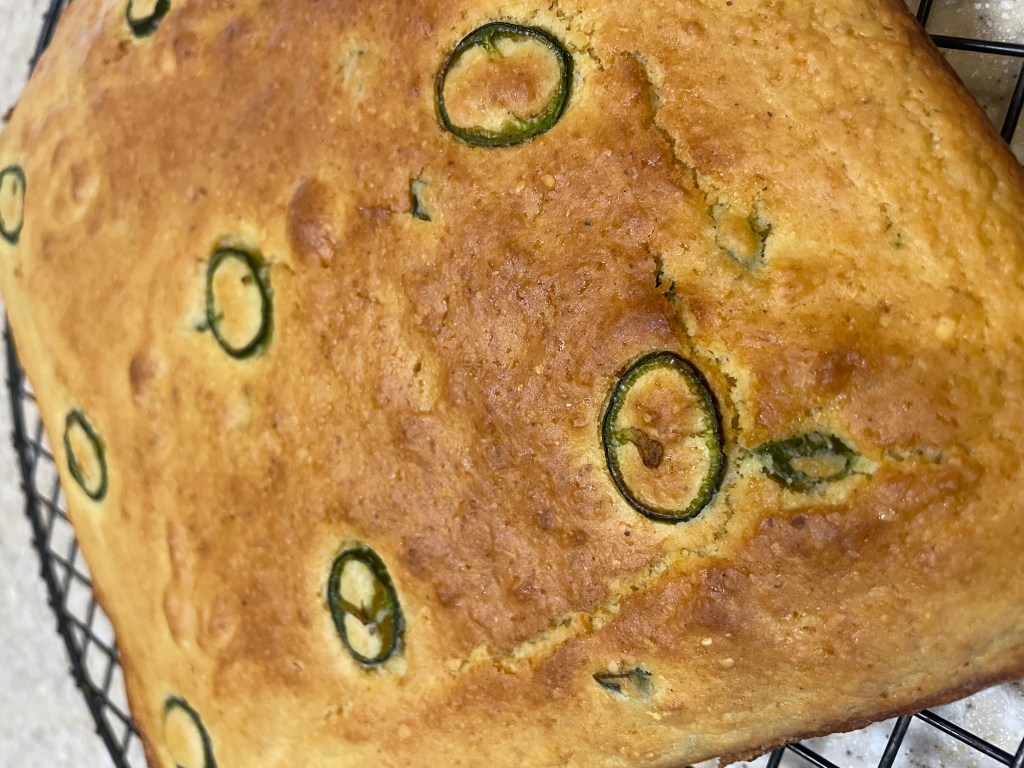
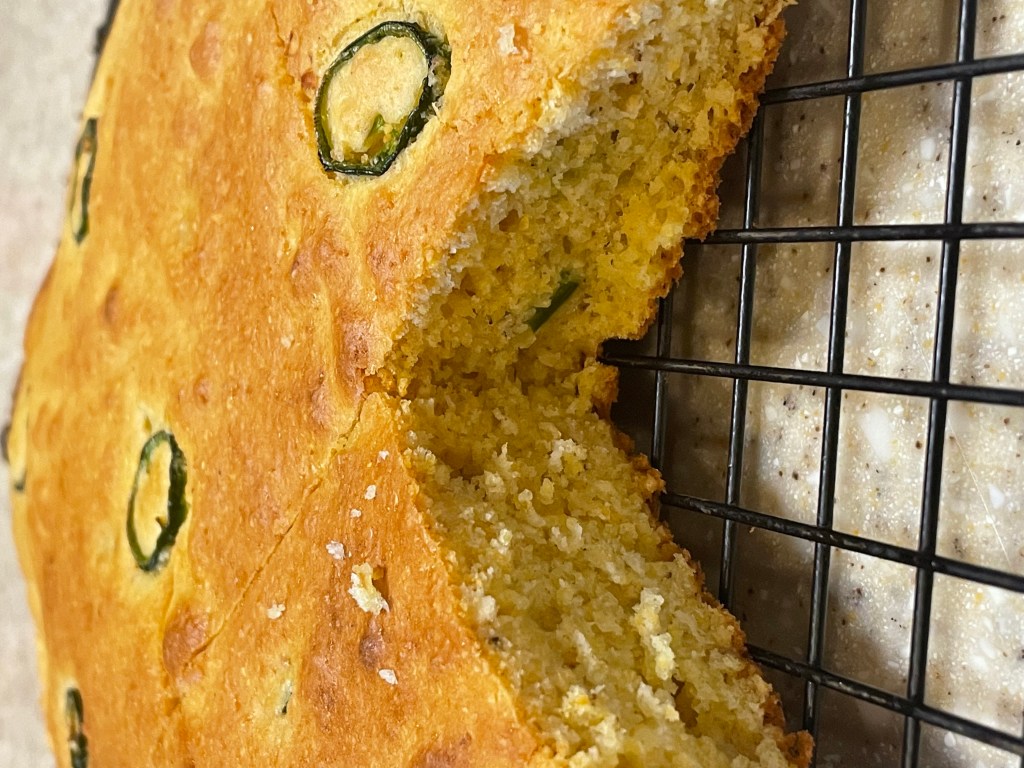
And maybe another perk would be free cornmeal? The little bag that I had bought came with a free recipe book, so of course I had to give it a whirl. As soon as I got home I made a pan of jalapeno cornbread – and I have to say that it was absolutely delicious (and so quick and easy to make). If you want to try it, here’s the recipe below.
Next up, I’m going back to the Gilded Age….